Welcome to MAIN

Welcome to MAIN

Hello and welcome to MAIN, a Charity based in the heart of North Ormesby, dedicated to making a real difference. At MAIN, our mission is to empower our neurodiverse community, support and encourage our learning disabled community and provide a strong sense of belonging. Whether you are visiting us for the first time, a long-time supporter, or a curious observer, we want to give you a closer look at what makes us unique.

Today, we’re excited to offer you a special aerial view of our centre and take you on a virtual walk around the premises to showcase the heart and soul of what we do.

An Aerial View:  The Heart of Our Community

One of the most incredible ways to appreciate our centre is by seeing it from above. Our Charity’s building is not just a physical space—it’s a reflection of our values, of openness, and of a welcoming environment.  From an aerial view, you’ll notice the spacious layout, with large outdoor areas that invite interaction and movement. We’ve designed every inch of the building and its surroundings with our community in mind, ensuring that it feels like a safe, uplifting and happy space for everyone.

As you zoom in on the aerial shot, you’ll see how each section of the centre is interconnected. From our support service areas, to the creative activity rooms and even the quiet spaces for reflection, every part of the centre has been built to encourage connection, creativity, and personal growth.

We hope that by sharing this unique view, you’ll get a sense of how MAIN is more than just a place—it’s a community where relationships are developed and flourish.

A Walk Around the Centre: Where Change Happens

Let’s take a closer look at what you’ll find inside our centre, step by step. Our building is designed to be both functional and inviting, creating an atmosphere where our community feels valued and supported.

1. Welcome and Reception Area
As you enter, you’ll be greeted by our friendly reception team who are always ready to assist with any queries.  This is the first space where you’ll feel the warmth of our community, with clear signage to guide you through our offerings and activities.

2. Pathways to Independence
Our dedicated space. provides practical and emotional learning to our young people and adults, providing personal guidance, mentorship, and practical assistance. Whether it’s job training, financial advice, or personal development, our rooms are designed to provide a peaceful and encouraging safe space.

3. Creative and Activity Spaces
One of the cornerstones of MAIN is fostering creativity and learning. Our spacious, well-lit activity room is used for our After School Clubs, Social Groups and 1:1 P.A. support. It’s in these rooms that participants get to explore new hobbies, try out new skills, and engage in group activities that boost confidence and strengthen social bonds.

4. Quiet Reflection Spaces
Understanding the importance of mental health, we have dedicated areas within the centre for quiet reflection and relaxation. These spaces allow individuals to take a time out to help self – regulate.

5. Outdoor Areas and Green Spaces
The grounds surrounding our building are just as important as the interior. With well-maintained gardens, walking paths, seating areas and outdoor play, our outdoor spaces provide a tranquil retreat for all who visit. Whether it’s for water play or climbing frames our outdoor space offers the perfect environment to connect with nature and others, build friendships and learn to share.

#TogetherRaisingSmiles

To find out more about MAIN and our services please contact us here 

Spotlight: Our Facilitator Brooke

Spotlight on Our Facilitator: Brooke

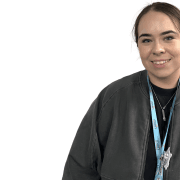
We are delighted to shine a spotlight on one of our exceptional facilitators, Brooke. Brooke’s journey with us began as a work placement student from Middlesbrough College. Her dedication and passion for helping others quickly became evident, leading her to apply for a PA/outreach worker position. Through her hard work and commitment, Brooke progressed to her current role as a facilitator.

Brooke is known for her organisational skills and conscientious approach, making her an outstanding facilitator. She has a wonderful demeanour with our young people, characterised by her kind and caring nature. Her patience with staff and her efforts in inducting new team members are truly commendable.

Brooke consistently puts in a lot of effort when planning activities for her groups, ensuring that each session is engaging and beneficial for all participants. Her dedication and positive attitude make her a valued member of our team.

Thank you, Brooke, for all that you do!


If you are interested in our services please contact us 

MAIN’s talk on radio – Welfare Reform

MAIN’s talk on radio – Welfare Reform

Yesterday, our CEO, Heather, was honoured to speak with Hits Radio about the Welfare Reform and its potential impact on our neurodiverse community. As a Charity, we are deeply concerned about how these changes could affect individuals, especially when a one-size-fits-all approach may not be the best solution. We believe in tailoring reforms to better meet the needs of each person.

We urge decision-makers to explore different ways to bring about positive change—whether it’s creating easier pathways into work, offering volunteering opportunities, or equipping employers with the tools and knowledge they need to support the neurodiverse community. Simple adjustments in the workplace can make a world of difference, allowing individuals to thrive in an environment that understands their needs.


If you’re feeling uncertain or overwhelmed by these changes and how they might affect you, please don’t hesitate to reach out to us.

Understanding the Personal Independence Payment (PIP) Process

PIP application process

What is Personal Independence Payment?

Personal Independence Payment (PIP) is a benefit in the UK designed to help people with extra living costs if they have a long-term physical or mental health condition or disability. It is available to people aged 16 and over

PIP has two parts:

  1. Daily Living: Helps with everyday tasks like preparing food, washing, dressing, and managing money.
  2. Mobility: Helps with getting around, like walking or planning routes

You can receive PIP whether you are working or not, and it is not affected by your income or savings

Eligibility

You can check if you’re eligible for PIP via the government website, https://www.gov.uk/pip/eligibility

How to Apply

PIP is currently rolling out a online application you can check if this is available in your area – https://www.apply-for-pip.dwp.gov.uk/eligibility/check-if-eligible

You can start a claim for PIP via post to Freepost DWP PIP 1

However, it may take longer to receive a decision as they will request that you fill out a personal details form before they can send you the claim form.

You can also start a claim via phone, we would advise setting aside around an hour for this as you may have to wait in a queue, you can have someone to support you with this call however they will request your consent to speak to them

Telephone: 0800 917 2222 Textphone: 0800 917 7777

If you cannot hear or speak on the phone, Relay UK can support Relay UK: 18001 then 0800 917 2222 British Sign Language (BSL) video relay service if you’re on a computer – find out how to use the service on mobile or tablet Calling from abroad: +44 191 218 7766 Monday to Friday, 8am to 5pm

What will happen

They will request the following personal details:

· Your contact details, for example telephone number

· Your date of birth

· Your National Insurance number, if you have one (you can find this on letters about tax, pensions and benefits)

· Your bank or building society account number and sort code

· Your doctor or health worker’s name, address and telephone number

· Dates and addresses for any time you’ve spent in a care home or hospital

· Dates for any time you spent abroad for more than 4 weeks at a time, and the countries you visited


Once you have completed this you will be sent a form to fill out detailing your condition/disability, MAIN can provide you with an evidence letter to be sent back alongside this, please give at least two weeks notice for this. This support is for people who are accessing MAIN services.

When completing the form

  • Keep in mind how your condition impacts you on your worst day.
  • If your condition is a hidden disability, ensure your expand on your answers
  • Get someone you know or professional to look over your answers
  • There is a lot of guidance on Citizen’s Advice website

You will be given a deadline for returning the form however if you need more time you need to contact PIP to request this.

You may then require an assessment this may be in person, over the phone or via video call, following this a decision will be made and you will be sent a letter explaining it.

Should you not be happy with the decision you have the right to appeal. There is more guidance on the appeal process here 


Applying for Universal Credit

Applying for Universal Credit

You can apply for universal credit online; you will have 28 days to complete the application form so it is best to have all the information you need at hand.

You can check if you are eligible for Universal credit – https://www.gov.uk/universal-credit/eligibility

You can also make an appointment with Citizen’s Advice to discuss making a claim as they may be able to support you.

If you live with a partner, you must both submit a claim even if your partner does not meet the eligibility requirements as the outcome will depend on your household income and savings, you must apply separately and link the accounts later.


To apply for Universal Credit you will need:

· Your bank, building society or credit union account details

· An email address

· Access to a phone

You will also need proof of your identity:

· Driving licence

· Passport

· Debit or credit card

· Payslip or P60


If you don’t have these you will need to contact the helpline or citizens advice may be able to support

· Universal Credit helpline

· Telephone: 0800 328 5644

· Welsh language: 0800 328 1744

· Relay UK (if you cannot hear or speak on the phone): 18001 then 0800 328 5644

· British Sign Language (BSL) video relay service if you’re on a computer – find out how to use the service on mobile or tablet

· Textphone: 0800 328 1344

· Monday to Friday, 8am to 6pm


You will also need to provide information about:

· Your housing, for example how much rent you pay

· Your earnings, for example payslips

· Your National Insurance number, if you have one

· Other benefits you get

· Any disability or health condition that affects your work

· How much you pay for childcare if you want help with childcare costs

· Your savings and any investments, like shares or a property that you rent out


You may be asked to attend an appointment with the universal credit team if they need more information or if they cannot verify your identity, this may be over the phone or in person at a jobcentre.

You will need to agree to a ‘claimant commitment’ before receiving any universal credit, you will have a meeting usually at the jobcentre to discuss this, you may be required to look for work or to look to increase your current income however this depends on the information provided and whether they assess you as being able to work, you will be supported by a ‘work coach’ if you are required to look for work and may need to attend appointments.

You will have an online account to manage your claim where you can access messages.

MAIN can provide an evidence letter to support your application for universal credit if you are accessing support. Please give at least 2 weeks notice for this.

Getting a disabled bus pass

Getting a disabled bus pass

Having a bus pass entitles you to free travel on all standard bus services in England after 9.30am on Monday to Friday and all day Saturday, Sunday and public holidays. Special night-time services and other special services may be excluded.

Before 9.30am on Monday to Friday:

· Travel for 50p when you get on at a stop within the boundary of your local Council

· Ordinary fares normally apply when you get on anywhere else

· Usually include any local Park and Rides

You may also get half-price travel on certain local train services


How to apply

You can apply for a disabled person’s bus pass via post, online or in person

Go to your local council website or google ‘apply for a disabled bus pass in [council name]’

MAIN can provide an evidence letter to support your application – please give at least two weeks notice for this. You will need to be accessing our services to receive an evidence letter.

You will need to provide proof of eligibility for a bus pass:

· Proof that you live in County Durham, such as a copy of a bank statement, utility bill or council tax letter

· Proof of your condition or qualifying benefit


Sending your application

You can send your bus pass application by post, online, or in person.

Post –

Send the form alongside proof of eligibility and a passport sized photograph

Online –

Scan or take a photo of your form, proof of eligibility and take a passport style photo, you can upload this to the document submission form,

In Person –

Most council’s have a  ‘Customer access point’ where you can arrange an appointment or drop in- remember to bring your form and proof of eligibility.


Spotlight: Introducing Leah Graham, Our Facilitator for Pre and Post Autism Diagnostic Services

Spotlight: Introducing Leah Graham, Our Facilitator for Pre and Post Autism Diagnostic Services

We are excited to introduce Leah Graham, our dedicated Facilitator focusing on our Pre and Post Autism Diagnostic Service across Tees Valley. As a charity, we are committed to offering 1-1 bespoke support to anyone aged 16+ who requires assistance in understanding their diagnosis, learning about themselves, and managing anxiety, emotions, or anger.

Our Services

Leah and our team aim to help individuals access various services, including health, employment, and education. We support the development of tools such as communication profiles and reasonable adjustments, or simply provide a friendly person to listen to your current concerns while offering guidance and support from a knowledgeable viewpoint.

Our Experience

MAIN has delivered a post-diagnostic support service across County Durham for over 10 years, and we are thrilled to extend this support to our home ground in Tees Valley. Our goal is to ensure that everyone has the resources and support they need to thrive.

About Leah Graham

Leah Graham staff photo

Leah is still currently a facilitator for our Guisborough clubs and has also been the first point of contact for our mental health bookable sessions in partnership with SJOG from September 2024 to March 2025. Leah has excellent knowledge, patience, and is passionate about making sure individuals are heard and have the appropriate support in place.


If you or someone you know could benefit from our services, please get in touch with us. We’re here to help!


If you or someone you know could benefit from our services, please get in touch with us. We’re here to help!

Empowering Our Community with Individualised Alert Cards

Empowering Our Community with Individualised Alert Cards

At MAIN, we understand the importance of effective communication, especially in moments of stress or confusion. Our individualised Alert Cards are designed to help communicate your needs when you require assistance, particularly if you become overwhelmed, non-verbal, or confused. Here are some stories from individuals who have benefited from our Alert Cards:

Male, Age 44

After leaving work due to workplace bullying, he has been unable to work for seven years. Keen to re-enter the workforce but hesitant to leave the family home, he found confidence in the Alert Card. He shared that having something to speak for him in challenging situations made him feel more secure. Before Christmas, he ventured out twice, feeling more confident knowing the card was in his pocket.

Female, Age 26

She requested an Alert Card for her first holiday with her boyfriend, almost 200 miles away. Worried about the trip but determined to go, she thought the card would be useful if they got separated. She went on the trip and was absolutely fine, grateful for the card even though she didn’t need to use it.

Male, Age 32

Having been in trouble with the police many times before his diagnosis, he reflected that his life might have taken a different path had he been diagnosed in childhood. He felt that if he ever got into trouble again, the Alert Card would help ensure he was treated in a way that wouldn’t lead to a crisis. Although he hasn’t needed to use it, he knows it’s there and has encouraged others to get something similar.

Male, Age 17

He requested an Alert Card to quickly express his needs during times of struggle. He chose to wear the card on a lanyard when out, making it easier for people to understand that he might be require support and enabling him to access it quickly when needed.


Here are some examples of why some Individuals have requested the card previously wanting to explain:

  • Changes to their tone of voice
  • To communicate they may sound angry, when they are actually anxious
  • To inform people they need time to process information and respond
  • To explain they may become non-verbal at times of stress
  • To explain they behave in an unusual way i.e. just leave the room, shut down, no eye contact


You can order your own alert card here at our shop – alternatively you can all can complete over the phone and pick up from our centre

Case Studies: Support from Our Durham Team

Case Studies: Support from Our Durham Team

Education

Female, 20’s: This client had an upcoming exam in a new location and was feeling anxious about it. MAIN assisted her in thinking of and requesting reasonable adjustments for her exam. Additionally, we helped her plan and adjust to her travels, easing her worries.

Employment

Male, 30’s: This client was struggling to accept and cope with proposed changes to his work rota. MAIN discussed reasonable adjustments and strategies to help him process the changes. He found it difficult to process all the information and felt overwhelmed. After his appointment, he felt better about the changes.

Male, 20’s: This client was experiencing stress at work. MAIN explored the reasons behind his stress and found it was related to sensory issues and working memory. We offered advice on reasonable adjustments and methods to manage task changes at work.

Family Health

Female, 30’s: This client had a bad experience at the hospital, where a doctor accused her of alcohol abuse and addiction. She explained that she was stimming in the waiting room due to high stress levels. MAIN provided her with a healthcare passport, which helped hospital staff understand her situation better.

Communication Profile

Female, 30’s: This client was nervous about going on holiday and worried about airport security, as she struggles to communicate when stressed. MAIN provided a communication profile to help convey her needs if she became unable to do so herself. This made her feel more confident while traveling.

Alert Card and Evidence Letters

Female, 50’s: This client was stressed about her PIP renewal. MAIN helped by writing an evidence letter detailing the struggles she faces in daily life due to being autistic. This support made her feel much better about the application process.

These case studies highlight the diverse support our Durham Team provides to help individuals navigate various challenges in education, employment, health, and daily life


Guide for Applying for a Blue Badge

Guide for Applying for a Blue Badge

The Blue Badge scheme, which began recognizing hidden disabilities in 2019, can be a great help. When applying, consider focusing on the following areas:

Areas not directly addressed in the application that is worth adding:

  1. Sensory Concerns:
    • How sensory issues impact the ability to focus.
    • Recognizing dangers, such as reversing cars.
    • The need for support to walk safely in a car park.
    • Balancing issues and overall risk.
  2. Impact of Going into the Community:
    • The physical, emotional, and mental toll of being in the community.
    • How these impacts manifest once back home.
  3. Impact of Current Parking:
    • The longer distance to walk to the shop.
    • Increased risks due to the distance.
    • Difficulty in getting to a safe space, like the car.
  4. Independence:
    • Whether the individual needs to have their hand held.
    • The risk of running away.
    • The impact on others.
    • The need for extra space to fasten them in, etc.

Here are some tips to help you with a successful Blue Badge application:

  1. Be Detailed and Specific:
    • Provide clear examples of how the disability affects daily life.
    • Describe specific incidents or challenges faced due to the disability.
  2. Use Medical Evidence:
    • Include letters or reports from healthcare professionals that support your application.
    • Ensure the evidence is recent and relevant to the application
  3. Provide a Comprehensive Picture:
    • Paint a full picture of the challenges faced, including sensory concerns, independence issues, and the overall impact on daily life.
    • Be honest and thorough in your descriptions.

Applying

You can apply online here

By addressing these points in your application, you can provide a comprehensive picture of the challenges faced and the necessity of a Blue Badge. Good luck with your application! If you have any more questions or need further assistance, feel free to ask.